
The Informed Patient: Meeting 2026 Expectations in Dental Sleep Medicine
Quick Takeaways
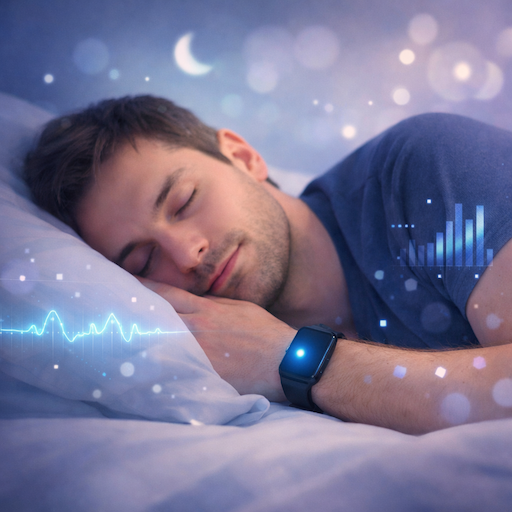
Patients arrive with data: Affordable wearables and home monitors mean many sleep patients show up armed with their own sleep metrics. They expect clinicians to interpret these numbers and add clinical context.
Show proof, not promises: Subjective reports no longer satisfy. Patients want objective evidence—improvements in oxygen saturation, apnea‑hypopnea index or sleep‑stage distribution—before they commit to therapy.
Convenience & comfort matter: Home‑based assessments, streamlined workflows and comfortable oral appliances increase adherence. If the process is cumbersome, patients will disengage.
Active follow‑up builds trust: Informed patients expect ongoing support and clear communication about progress. Remote monitoring and periodic check‑ins signal quality care and prevent drop‑off.
Educate to convert: Marketing should mirror these expectations. Use patient‑centered storytelling and transparent data to attract interest, educate prospects and convert them into loyal patients. Highlight your clinic’s use of modern diagnostics and outcome tracking.
Ready to adapt? Embracing data‑driven consultations and patient‑first workflows isn’t just good medicine—it’s good marketing. Practices that deliver objective evidence and continuous support stand out and convert more leads into thriving, well‑rested patients.
Introduction
Today’s sleep patients aren’t the same as they were even a few years ago. Thanks to affordable sleep trackers and a growing awareness of sleep health, people now arrive at dental sleep clinics armed with their own data, having compared treatment options and researched alternatives. A 2026 trends report notes that patients “arrive informed” – they have tracked their sleep, Googled symptoms and compared therapies, and they expect practitioners to keep up. Subjective descriptions of symptoms no longer satisfy; patients want objective evidence that therapy is improving oxygen levels and reducing disruptions. They also value convenience, comfort and continuous support.
For dental sleep practices, this shift presents both a challenge and an opportunity. On one hand, patients may be more demanding and skeptical. On the other, practices that embrace data‑driven care and transparent communication can build deeper trust and convert more leads into lifelong patients. This article explores what “informed patients” expect in 2026 and how dental sleep clinics can adapt their consultations, workflows and marketing to meet – and exceed – those expectations.
Patients Arrive Informed: Data‑Driven Consultations
Sleep technology has gone mainstream. Consumer wearables such as the Oura Ring, Apple Watch and Fitbit now offer sleep‑stage insights, and research has shown that the Oura Ring can be 5% more accurate than the Apple Watch and 10% more accurate than the Fitbit for four‑stage sleep classification. While these devices are not replacements for polysomnography, they change how patients perceive their own sleep. People arrive at consultations having tracked trends in their heart rate, oxygen saturation and sleep stages; they’ve read articles online and sometimes even attempted self‑diagnosis.
This abundance of data empowers patients, but it can also create confusion. Wearables measure proxies for sleep, not direct brain activity, and their algorithms may not align with clinical definitions. As Sleep Review notes, sleep specialists grapple with how to integrate patient‑generated sleep data without eroding clinical standards. Successful dental sleep clinics position themselves as interpreters of this data. Rather than dismissing consumer devices, clinicians can:
Validate the patient’s engagement. Acknowledge that the patient cares about their sleep and has taken the initiative to track it. This builds rapport and opens the door for education.
Explain the limits of wearables. Clarify how consumer trackers differ from medical‑grade home sleep tests or polysomnography. Emphasize that wearables are useful for spotting patterns but cannot diagnose obstructive sleep apnea (OSA) on their own.
Use data to spark deeper questions. Ask the patient what trends they’ve noticed and how they feel. Does their wearable show frequent awakenings? Are there drops in oxygen saturation? Use these observations as a springboard to discuss symptoms and the need for comprehensive assessment.
By treating patient‑supplied data as a starting point rather than an obstacle, clinicians demonstrate respect for the patient’s knowledge while reinforcing their own expertise.
Objective Evidence: “Show Me the Data”
Modern patients are more skeptical of vague assurances. In the 2026 trends report, one of the biggest shifts is that “subjective feedback alone no longer satisfies patients” – they want objective evidence that therapy is working. Showing progress visually reassures patients and keeps them engaged in treatment. For dental sleep practices, this means incorporating objective metrics at every stage of care.
Use home sleep testing wisely
Home sleep tests (HSTs) continue to gain acceptance, with new CPT codes for unattended sleep testing expected in 2027. These devices, when clinically validated, provide objective measures of apnea‑hypopnea index (AHI), oxygen saturation and sleep architecture. Using HSTs as part of the diagnostic workflow allows clinics to
Offer a convenient option for patients who cannot access in‑lab studies;
Collect baseline data to guide therapy selection; and
Provide a reference point for assessing treatment effectiveness.
Integrate remote patient monitoring
Remote patient‑monitoring (RPM) platforms are expanding into sleep medicine, allowing clinicians to track OSA and cardiometabolic indicators between visits. These systems use cellular‑enabled devices and automated documentation to support continuous care and help practices capture recurring revenue. By reviewing objective data at follow‑up appointments, dentists can show patients how their oxygen saturation, pulse rate or snoring frequency has changed with therapy. Visual graphs and trend lines can make improvements tangible.
Document outcomes and share reports
In a competitive market, practices that track outcomes stand out. The trends report notes that outcome tracking differentiates dentists and builds professional credibility. Clinics should document baseline and post‑treatment metrics (e.g., AHI reduction, percentage of nights with appliance adherence) and share summaries with both patients and referring physicians. Clear documentation reinforces that therapy is working and fosters collaboration with sleep physicians.
Convenience, Comfort and Compliance
Patients choose providers who respect their time. Home‑based assessments, remote monitoring and fewer unnecessary appointments make sleep care feel achievable. If starting therapy feels complicated, patients may delay or drop out. Additionally, comfort drives compliance – oral appliance therapy continues to grow because it balances effectiveness with real‑world wearability.
Simplify the journey
Every extra step increases drop‑off. Practices should streamline scheduling, intake and diagnostic processes. Consider online appointment booking, digital intake forms and tele‑consultations for initial screenings. Provide clear instructions for home sleep tests and oral appliance usage. When patients feel that the process is straightforward, they are more likely to commit.
Offer comfortable, personalized therapy options
Not every patient can tolerate continuous positive airway pressure (CPAP). The U.S. Department of Veterans Affairs/Department of Defense recognized oral appliances as a first‑line therapy for mild to moderate OSA in 2025, indicating growing mainstream acceptance. However, patients care deeply about comfort. Adjustable mandibular advancement devices and materials designed for real‑world wearability can increase adherence. When discussing treatment options, emphasize not only clinical efficacy but also how the appliance fits into the patient’s lifestyle.
Provide continuous support
Patients expect active care management and follow‑up. Remote check‑ins, messaging platforms and automated reminders help clinics stay connected without overburdening staff. Regular follow‑up signals quality care and prevents silent abandonment. Encourage patients to share any discomfort or difficulties early so adjustments can be made.
Active Follow‑Up and Support: Building Long‑Term Relationships
Active follow‑up isn’t just about collecting data; it’s about nurturing relationships. Informed patients want to know someone is tracking their progress. They also expect clinics to collaborate with other healthcare providers. Physicians want confidence that therapy is managed responsibly; outcome summaries and clear communication strengthen referrals.
To meet these expectations, sleep clinics should:
Set a follow‑up cadence that balances patient needs and clinic workload. Short telehealth check‑ins can address questions and adjust therapy without requiring a full visit.
Share data with referring physicians (with patient consent). Highlight improvements in AHI, oxygen saturation or symptom scores to demonstrate effectiveness.
Encourage two‑way communication. Provide a portal or messaging system where patients can ask questions, report issues or request adjustments. Respond promptly to reinforce that you are invested in their success.
By positioning follow‑up as a partnership rather than a handoff, clinics foster loyalty and positive reviews.
Bridging Expectations with Marketing: Educate and Inspire
Meeting patient expectations isn’t only about clinical workflows; it’s also about how clinics communicate. Marketing must reflect the reality of modern sleep care: data‑driven, patient‑focused and convenient. Sleep Acquisition’s attract‑educate‑convert blueprint offers a framework. In the “Attract” stage, clinics become visible to people searching for answers to snoring and sleep apnea. In the “Educate” stage, they provide materials that help patients understand their symptoms and treatment options, shortening consultation times and increasing trust. Finally, in the “Convert” stage, they turn interest into committed patients with clear calls to action.
Create patient‑centered content
Develop blog posts, videos and social media updates that address common questions: How do sleep trackers work? What is the difference between CPAP and oral appliances? Why is a dental exam necessary for oral appliance therapy? Use plain language and visual aids. Linking to credible studies (e.g., research comparing wearable accuracy) can increase authority.
Highlight your technology and transparency
Make it clear that your clinic uses home sleep testing, remote monitoring and outcome tracking. Explain how you interpret wearable data and provide objective evidence of improvement. Transparency builds credibility and differentiates your practice from competitors who rely solely on general marketing messages.
Invite engagement with clear calls‑to‑action
Every piece of content should invite the reader to take the next step: schedule a consultation, download a guide or attend a webinar. Offering free strategy sessions, as Sleep Acquisition does, lowers the barrier to entry and allows potential patients or referring providers to learn more about your approach.
Conclusion: From Informed Patients to Loyal Advocates
The informed patient of 2026 expects more from dental sleep practices: data‑driven consultations, objective evidence of progress, streamlined experiences, comfortable therapy and active follow‑up. Clinics that embrace these expectations don’t just attract more patients – they build lasting relationships and referrals. By interpreting consumer wearables, incorporating home sleep testing and remote monitoring, tracking outcomes and communicating transparently, your practice can turn the challenge of the informed patient into a strategic advantage.
Ready to take your patient experience and marketing to the next level? Book a free strategy session with Sleep Acquisition to learn how our attract‑educate‑convert system can help you connect with informed patients, build trust through education and convert more leads into thriving, well‑rested patients.


